
More Motion · a fluid creative ecosystem
Not one form.
Not one medium.
Just motion.
Write a few lines, look at something differently, or explore a subject that catches your attention. Words, image and reflection are different ways to begin. You choose what to follow.
One identity. Room to change.

Begin where you are.
Focus, Wander or Reflect change the visual style and the writing prompts.
Words · image · memory · motion
Choose how to begin.
Write from a prompt, notice an ordinary detail, or reframe a memory. Use the scratchpad below, or explore a subject in the rooms. A portrait is optional.
A small creative practice
Make something small.
Choose one ordinary object near you. Describe it without saying what it is called.
Use shape, weight, colour and the space around it. Three sentences are enough.
A scratchpad for this visit. Copy or download your words before refreshing or leaving.
0 / 4,000 characters
Optional visual study · paper, light and movement
A material study · 10 seconds · silent
Paper.
Ink. Light.
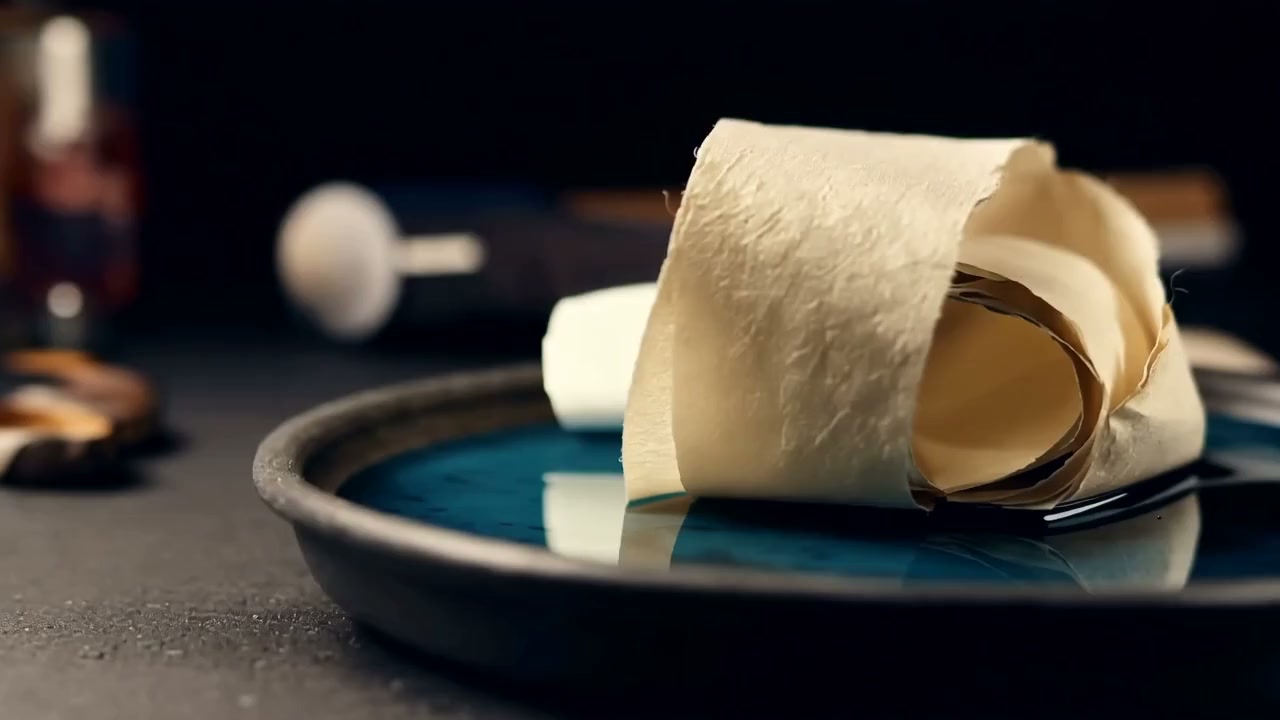
A fold becomes a surface. A reflection becomes another shape. Take ten seconds to watch an ordinary material change with the view.
AI-generated with Runway. A study of paper, reflection and movement. Plays only when you choose.
Read the visual description
A silent, ten-second AI-generated material study. The view moves slowly around curled ivory paper above dark teal liquid in a shallow round tray. Folds, shadows and reflections shift as the view changes. Blurred studio objects sit in the background. There are no people, written messages, speech or music.
The archive
Your interests.
Your route.
Explore a topic through its own tools and source material. The stones are a local specimen guide; other rooms also offer written reflections when you request them. A self-portrait is optional context for those requests.
Want to bring more context? Describe yourself in your own words. This is optional; static tools such as the stones can be explored on their own.
 DreamsDreamsBring a dream in your own words and read it as a field of symbols.
 The sensesThe clair sensesEight traditional words for ways of noticing.
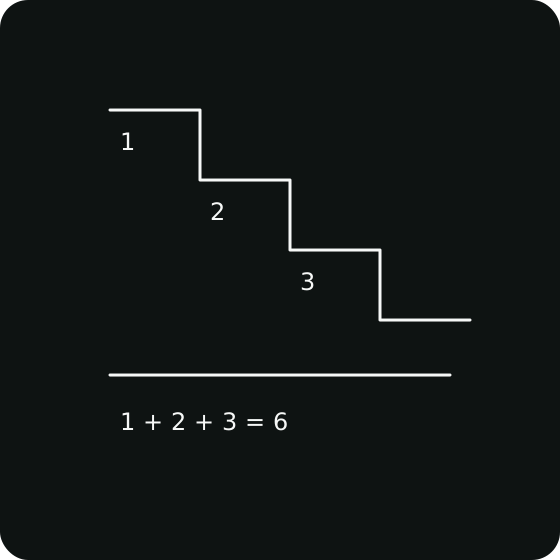 The numbersNumerologyLife path, expression and soul urge, with every calculation shown step by step.
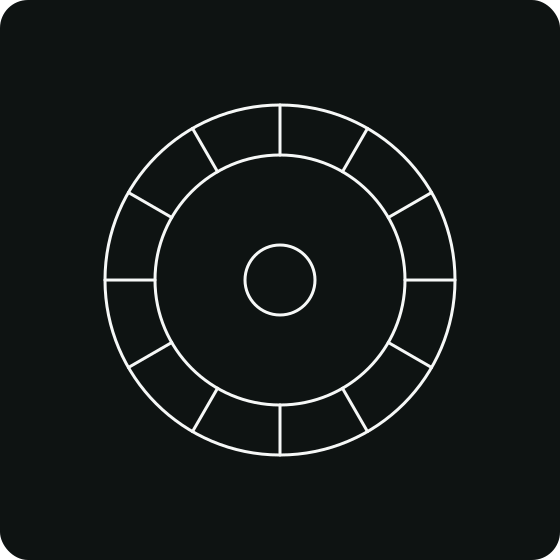 The skyAstrologyA solar calendar wheel to find a Sun sign and explore its traditional associations.
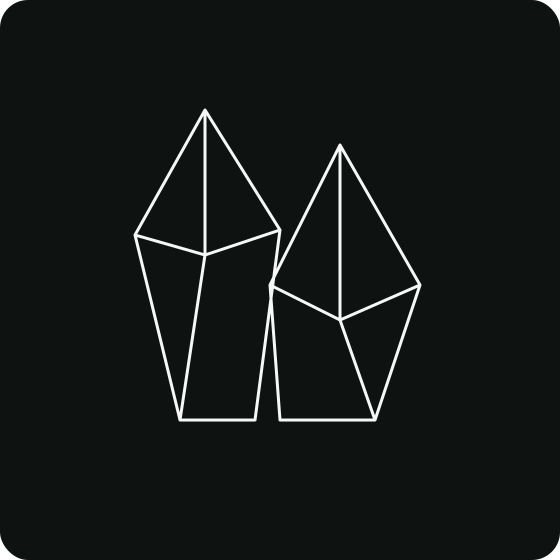 The stonesCrystals and gemstonesA twelve-stone specimen tray, a hardness scale, recorded history and questions for you.
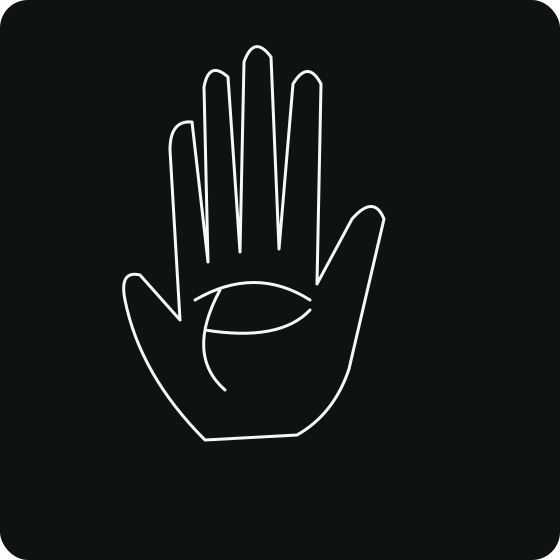 The handPalmistryFollow the illustrated palm guide, find four lines and note what you see.
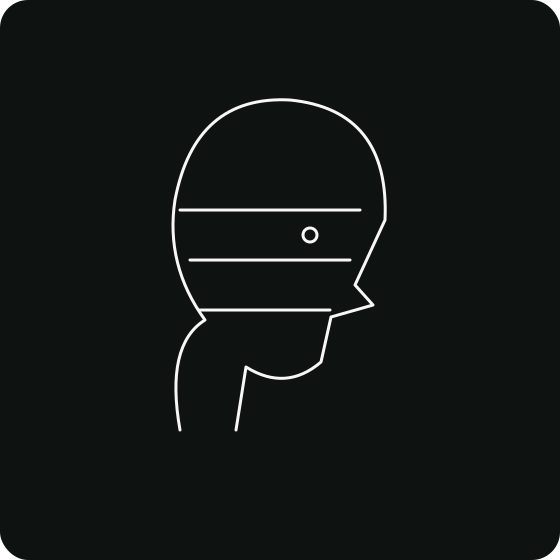 The faceFace readingPhysiognomy as a historical vocabulary for looking at a face.
 The centresChakrasA traditional symbolic map of the body, read lens by lens.
 The fieldAuraThe colours you sense around yourself, taken as a vocabulary.
 The illusionMentalismApparent mind reading as a performing art. The honest control group.
 The edge of evidenceParapsychologyThe field that tests claimed phenomena under controlled conditions.
- The deckTarotDraw one, three or five cards and read across the spread.
 Your portraitPortraitOptional context for the reflections you request.
A little further in
Some rooms stay closed
until you knock.
A window, a door, an unfinished thought. Open one and see what catches your attention. There is no right way through. Explore the room map →
The night windowSomething stayed with you.Open the windowClose the window
A dream need not explain itself. Begin with the image you can still remember.
What stays with you when the story ends?
Bring an image to the dream room →The small doorLook at an ordinary thing.Open the doorClose the door
A stone can be a mineral, a piece of history, something kept in a pocket. Start with what it is, then consider what it means to you.
What have you been walking past?
Spend a moment with the stones →The unfinished roomLeave a little room to change.Open the roomClose the room
You do not have to settle on a final version of yourself. A few honest words are enough to begin.
What would you like to leave unfinished?
Make a portrait in your own words →Look closerA note behind the archive
You found a little space.
Not everything needs
to become an answer.
Some things can stay a sketch, a half-remembered dream, a question on the back of a card.
Turn the card over
On the other side
What would you notice if you took the long way home?
Thank you for looking a little closer.
More Motion
A reflection, not a prediction.
Grounded in sources
Room to explore.
Sources to return to.
Creative prompts leave room for your own interpretation. The symbolic-study rooms distinguish what a tradition claims, what the record supports and what you make of it. The room tools keep their workings and sources close by.
- Observe
- Begin with something you can describe: a word, an image, a number or a small detail you noticed.Try a creative starting point
- Explore
- See how a calculation is made, compare a mineral’s properties or read where an interpretation comes from.Follow a calculation · Explore the specimen tray
- Make it yours
- Your associations stay yours. A portrait can give requested readings context; it does not decide who you are.Start with your own words
Optional study · numbers and the Sun sign
This is a separate symbolic study. Your shared context comes from the portrait you describe in your own words.
Your portrait
A symbolic study of your name and birthday.
Three numbers and a Sun sign, composed into a short reading with its sources. Your full name, date of birth and any saved self-portrait are sent through More Motion to Anthropic when you request this reading. The resulting study, including those details, is saved in this browser when storage is available until you clear it. This is separate from the self-portrait in your own words. How this works
Ask
Ask about More Motion.
Answers use the archive’s sources. When nothing in them answers, the question is left open. Pressing Ask or choosing a suggested question sends your question through More Motion to Anthropic for processing.
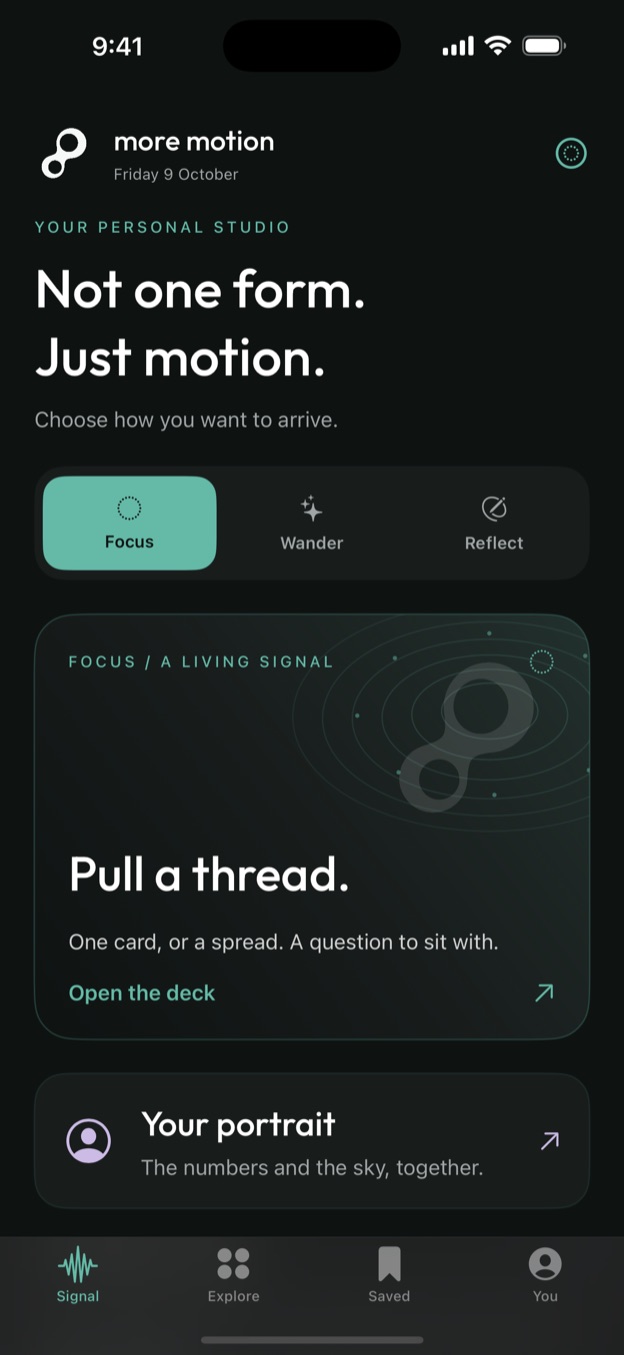
iPhone
The archive, on your phone.
Focus, Wander and Reflect, the 78-card deck, cited rooms and a local notebook. The native iPhone app is in development; explore the website while it takes shape.
Plainly
Questions people ask.
Is More Motion free?
Yes. Every room on the website is free to use, with no account and no sign-up. If the archive means something to you, you can support it with a one-off contribution.
Does it predict the future?
No. Every reading is a reflection, never a forecast. Each room keeps what a tradition claims, what the historical record shows and what you make of it apart.
Where do the meanings come from?
From named sources: reference works, historical records and the traditions themselves. Each room shows its sources beside the reading, and the Ask box answers only from them.
What happens to what I type?
Creative scratchpad text and static room tools stay in your browser. When you request a written reflection, a portrait or an answer, your input and relevant saved context are sent through More Motion to Anthropic. Portraits and reading history can be saved in this browser until you clear them. The privacy policy has the detail.
Is there an app?
A native iPhone app is in development. The website has the rooms today.
Who makes More Motion?
A small independent studio in Australia. Questions, corrections and ideas go to moremotionau@gmail.com.
Hear when something new arrives.
An occasional email when a room, the deck or the app changes. Nothing else, never shared. Unsubscribe any time; the privacy policy says how your email is handled.